Beyond Internet Access: What Drives Students’ Hybrid Learning Preferences?
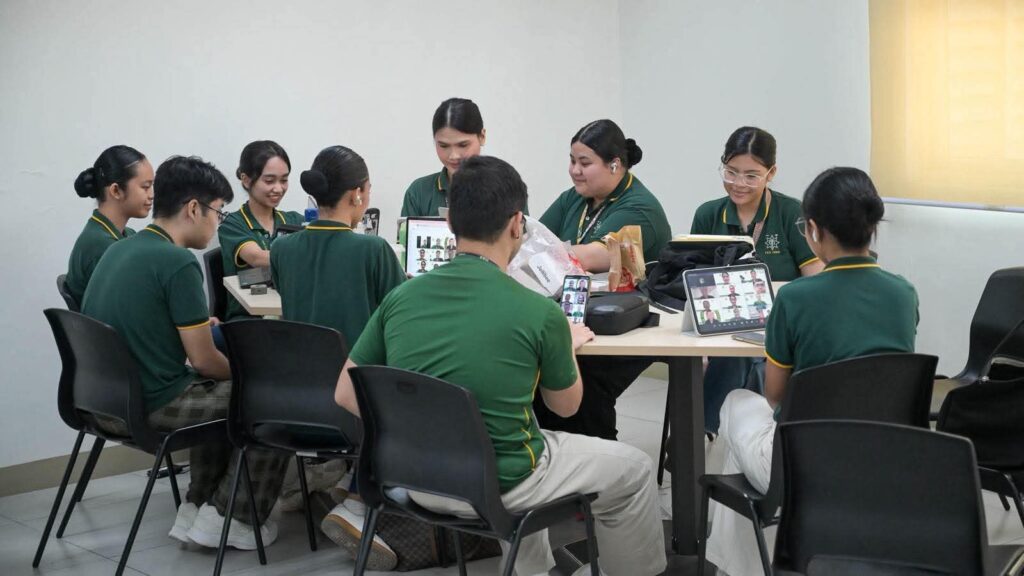
As higher education continues to adapt to post-pandemic hybrid learning, hybrid classrooms have become a familiar part of college life. While technology often sits at the center of discussions about blended learning, a discussion paper from the Far Eastern University (FEU) Public Policy Center (PPC) suggests that students’ preferences for hybrid learning may be shaped more by the value they place on human interaction than by technology itself.
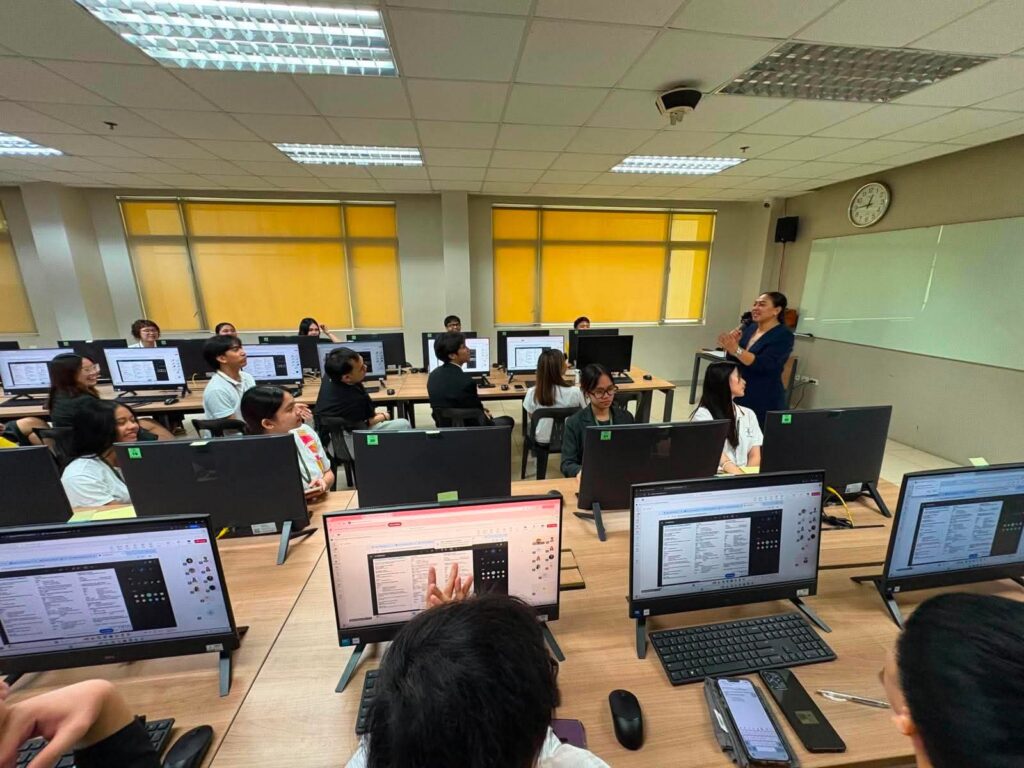
The recently published discussion paper, “More Than a Connection: Attitudes Towards Faculty Interactions and Hybrid Learning,” draws on data from the 2022 College Experience Survey (CES), which gathered responses from 3,318 students across 15 Philippine higher education institutions.
Using survey data, it was found that student attitudes toward faculty interaction and psychological safety emerged as important drivers of hybrid learning preferences. Meanwhile, technology access and self reported digital skills demonstrated less consistent relationships.
“Hybrid learning has become firmly embedded in the higher education landscape,” said FEU PCC President Michael A. Alba. “It is essential to make informed improvements to learning that are grounded in evidence. Through the CES, Philippine institutions are provided with valuable data and insights that can help refine hybrid learning models while preserving meaningful faculty-student interaction and maintaining high educational standards.”
Faculty interaction remains central to the learning experience
Interaction with faculty members continues to play a significant role in how students experience learning.
Students who placed a high value on interacting with faculty members were generally 19 times more inclined toward having more in-person classes. Results suggest that direct engagement with instructors remains an important part of the learning experience, one that online learning has yet to fully replicate.
While digital platforms have expanded access to learning, many students continue to see value in the connections and support that come from being physically present in the classroom. For first-year students in particular, opportunities for face-to-face interaction play an important role as they adjust to college life.
Technology alone does not determine hybrid learning preferences
Meanwhile, technology appeared to play a less straightforward role.
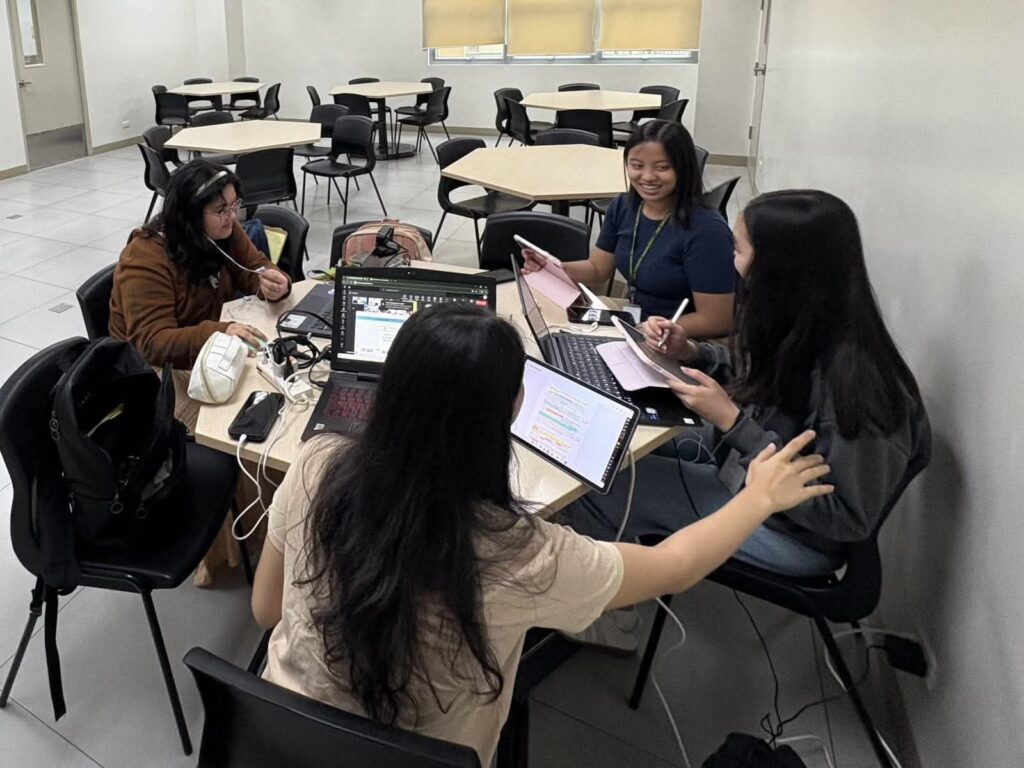
Access to technology and higher digital literacy skills did not automatically translate into a stronger preference for online learning. Contrary to expectations, students with reliable internet access were more likely to prefer additional days of campus instruction.
Even as universities invest in emerging technologies, such as FEU Tech’s recent collaboration with OpenAI to provide ChatGPT Edu and Codex, digital and artificial intelligence tools appear most effective when they complement interaction between faculty and students.
Students continue to weigh health and well-being in learning decisions
Although the pandemic has largely subsided, health and psychological safety continue to influence students’ preferences for different learning environments. Students who expressed greater concern about COVID-19 were generally less inclined to spend more time on campus. With most campuses having returned to normal operations, students still weigh well-being when considering alternative learning arrangements.
As institutions continue to refine blended learning models, the discussion paper suggests that policy efforts should look beyond investments in educational technology and digital infrastructure when designing effective modes of instruction. Rather than treating technology as the cornerstone of hybrid learning programs, Philippine institutions may benefit from developing educational approaches where meaningful faculty-student interactions remain central to the learning process, even as digital tools become more widely available and sophisticated.
For a more detailed discussion of the findings, readers may access the full discussion paper, “More Than a Connection: Attitudes Towards Faculty Interactions and Hybrid Learning.”


