Jollibee Group Foundation and UPLB Partner to Strengthen Support for Farmer Leaders
Key Highlights:
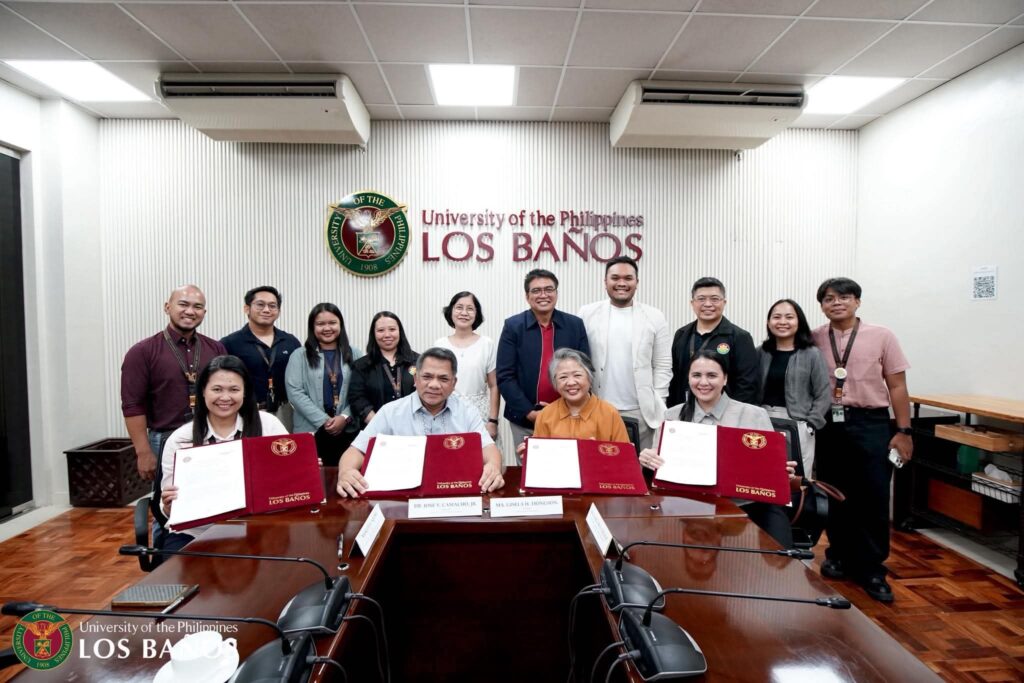
• Jollibee Group Foundation and UPLB signed a Memorandum of Understanding to collaborate in research, innovation, and agricultural development.
• The partnership will support the continued improvement of JGF’s Farmer Entrepreneurship Program.
• UPLB will contribute its expertise in research and innovation, JGF will draw on its expertise in building inclusive agricultural value chains and mobilizing stakeholders to support smallholder farmers.
• The collaboration will strengthen the technical knowledge and training of JGF’s Agri-Tech Facilitators.
• The partnership aims to help smallholder farmers improve productivity, strengthen their enterprises, and adopt more sustainable farming practices.
Jollibee Group Foundation (JGF) and the University of the Philippines Los Baños (UPLB) have formalized a partnership to combine their expertise in research, innovation, and agricultural development in support of smallholder farmers.
Through a Memorandum of Understanding, the two institutions will collaborate on farmer training, knowledge sharing, technology transfer, and capacity-building initiatives that aim to help farmers improve productivity, strengthen their enterprises, and adopt more sustainable farming practices.
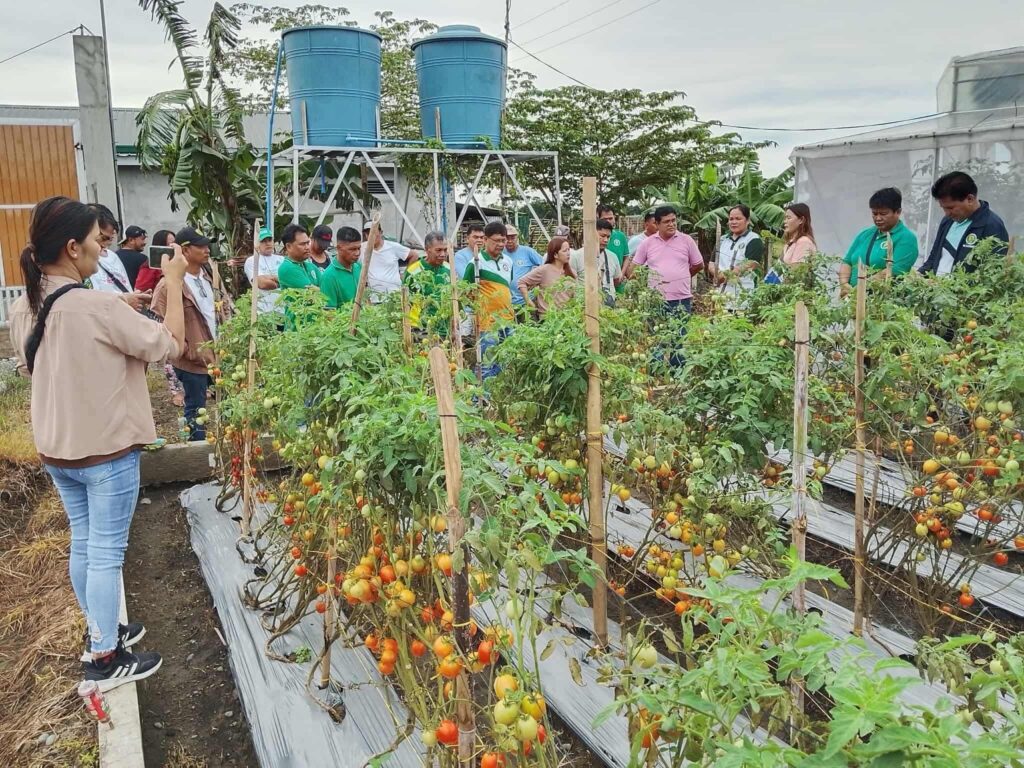
A key focus of the partnership is the continued development of JGF’s Agri-Tech Facilitators Program, which brings together farmer leaders and community-based agricultural extension workers who help fellow farmers identify, test, understand, and adopt technologies and farming practices that are relevant to their local conditions.
The collaboration combines UPLB’s research and innovation capabilities with JGF’s track record of helping smallholder farmers build their enterprises and access markets by working across the agricultural value chain. As one of the country’s leading agricultural universities, UPLB brings deep expertise in agricultural research, extension, and innovation that complements JGF’s experience in farmer capacity building, agro-entrepreneurship, and collective marketing. Through the partnership, JGF’s Agri-Tech Facilitators (ATFs) will receive enhanced technical knowledge and more comprehensive training, enabling them to provide farmers with stronger, more informed guidance.
“Lasting and grounded solutions are built when institutions come together and contribute what they do best,” said Gisela Tiongson, President of Jollibee Group Foundation. “UPLB’s deep expertise in agriculture, research, and innovation will complement our expertise in building inclusive agricultural value chains and mobilizing stakeholders to support smallholder farmers. We do this through our Farmer Entrepreneurship Program, where we work with farmers and a range of partners to help farmer organizations strengthen their agro-enterprises and collectively access markets. Through this partnership, we hope to strengthen the support available to farmers so they can improve their productivity, build more resilient enterprises, and create better opportunities for their families and communities.”
Strengthening support for farmer leaders
A key focus of the partnership is strengthening the technical capabilities of JGF’s Agri-Tech Facilitators.
Agri-Tech Facilitators are farmer leaders and community-based agricultural extension workers who help fellow farmers identify, test, understand, and adopt technologies and farming practices that are relevant to their local conditions.
Because they come from the communities they serve, they can provide accessible, continuous guidance to farmers while helping translate technical knowledge into practical solutions that can be applied on the farm.
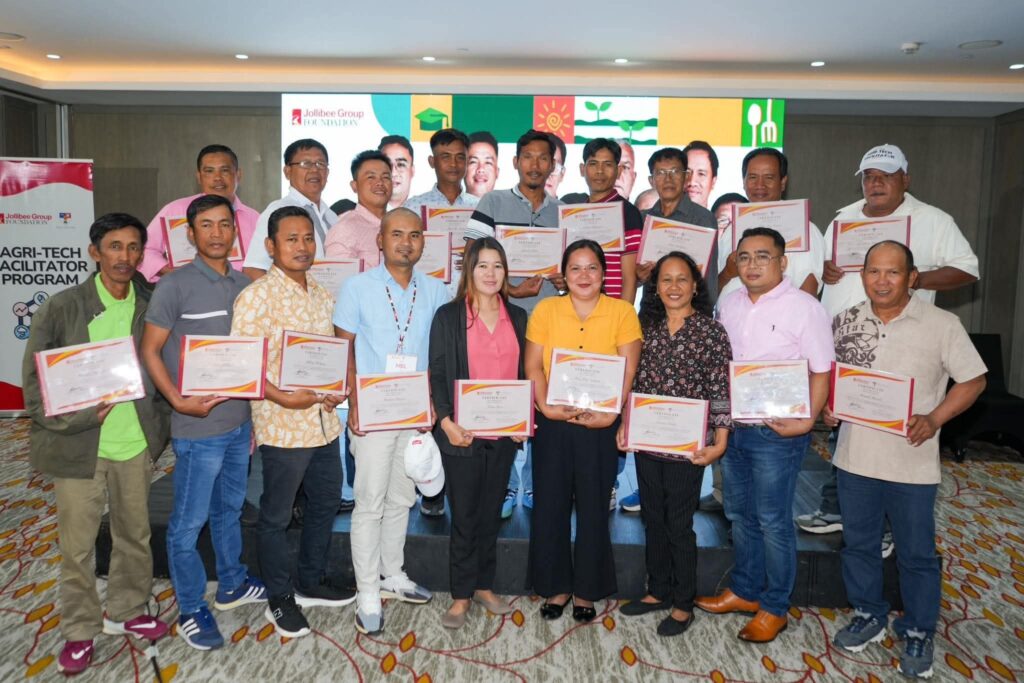
The Agri-Tech Facilitators Program prepares farmer leaders to share new knowledge with their peers, facilitate learning within farmer organizations, and promote agricultural innovations that can improve productivity, profitability, and sustainability.
Beyond strengthening the capabilities of Agri-Tech Facilitators, the partnership also opens opportunities to explore other areas of support for farming communities, including access to new farming technologies and the development of capacity-enhancement initiatives for crops such as green bell pepper.
JGF introduced the Agri-Tech Facilitators Program as part of the continuing capacity-building support provided to farmer groups and local implementing partners under FEP. Its initial training covered agricultural extension approaches and methods, with participants learning to identify, test, and promote innovations to strengthen their agro-enterprises.
“UPLB and JGF are honored to formalize this partnership. We are hopeful that this collaboration will create greater public value by transforming livelihoods throughresearch, innovation, and community engagement. We also trust that this partnership will demonstrate the impact of meaningful academe-industry collaboration and inspire more private sector organizations to work with universities in advancing inclusive and sustainable development,” said Dr. Jose Camacho Jr., UPLB Chancellor.
JGF’s Farmer Entrepreneurship Program builds inclusive agricultural value chains by equipping smallholder farmers with the technical, leadership, and business capabilities to collectively supply institutional markets. Through training, partnerships, resources, and market linkages, JGF mobilizes academic institutions, cooperatives, government agencies, local organizations, and technical experts to help farmer organizationsproduce quality vegetables, strengthen their enterprises, and sustain marketparticipation. Over the years, FEP has supported more than 1,800 smallholder farmers across 12 provinces, who have collectively supplied more than 20 million kilos of produce and generated over PH1 billion in farmer income.
Working together for food security
For JGF, the MOU reflects its belief that addressing agricultural and food security challenges requires strong partnerships. Through its collaboration with UPLB, JGF aims to strengthen farmer training, promote locally relevant technologies, and help farming communities build more productive, resilient, and sustainable livelihoods in pursuit of its shared vision of food security for every Filipino family.