Uncovering the Secret Behind Linamnam: Celebrating the Flavor and Science of Umami with Ajinomoto Philippines
Before a meal even reaches the table, science is at work making it memorable. Beyond sweet, sour, salty, and bitter lies umami—the fifth basic taste that provides a deep, savory linamnam. This July, Ajinomoto Philippines Corporation (APC) celebrates Umami Month and World Umami Day to highlight the history, science, and everyday culinary joy of this flavor.
Umami was discovered in 1908 by Japanese scientist Kikunae Ikeda, who isolated glutamate from kombu (kelp) broth. This breakthrough led to the creation of AJI-NO-MOTO® Umami Seasoning, the world’s first umami seasoning. Today, umami remains the “heart” of the Ajinomoto Group as they explore how it can elevate simple ingredients and support better eating habits.
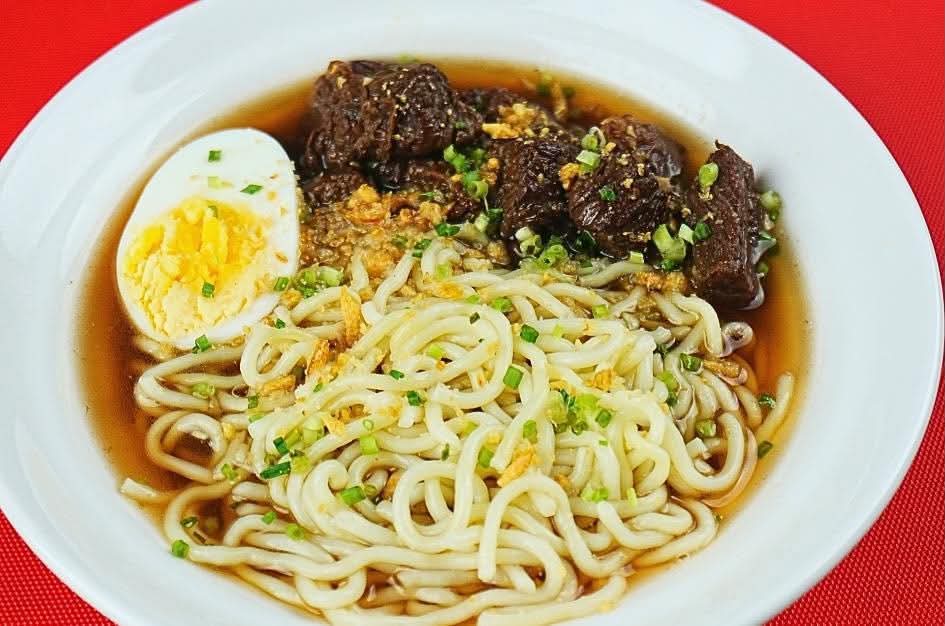
Beat the rainy-day blues with this simple, comforting Beef Pares Mami recipe available on the Cookmunity by AjinomotoPHwebsite.
Beef Pares Mami with AJI-NO-MOTO® Umami Seasoning
1. SAUTE. In a pot, sear beef until brown. Set aside. In the same pot, add cooking oil then sauté garlic, onion, and ginger. Add the seared beef.
2. BOIL. Add water then season with star anise, peppercorn, white sugar, soy sauce, and AJI-NO-MOTO®. Boil until beef is tender.
3. SERVE. Assemble noodles in individual bowls, add the soup and meat, then garnish with half slice of egg topped with toasted garlic and spring onions. Enjoy!
Beyond enhancing flavor, umami offers distinct wellness benefits. It stimulates saliva production to aid digestion, makes food easier to chew and swallow for older adults, and signals the brain to promote a feeling of fullness.
Monosodium glutamate (MSG), the seasoning central to umami, is often misunderstood. It is actually made from natural ingredients like corn and cassava through a fermentation process similar to making yogurt or vinegar. Global and local food safety authorities, including the WHO and the Philippine FDA, recognize MSG as safe.
Additionally, MSG supports healthier cooking. APC’s BawAsin® program demonstrates how umami can reduce dietary salt. Because MSG contains roughly 66% less sodium than regular table salt, using it properly can slash a dish’s sodium content by up to 40% without sacrificing taste.
Through the science of umami, the Ajinomoto Group across the globe proves that delicious meals and responsible nutrition go hand in hand. This Umami Month, APC invites families to cook with umami and MSG to experience how small changes can impact everyday wellness and help everyone “Eat Well, Live Well.”