Cebuana Lhuillier Aralan: Expanding Access to Education Through Community-Based Learning
Education does not begin and end in the classroom. To develop strong literacy skills, children also need books, places to read, and resources that encourage them to keep learning. Yet for many Filipino families, particularly those in underserved and hard-to-reach areas, these basic tools remain difficult to find.
The challenges facing Filipino learners highlight the need to strengthen access to learning resources. The latest PISA 2025 results show that only 31% of Filipino 15-year-olds reached at least Level 2 proficiency in reading, compared with 69% across OECD countries. Meanwhile, the World Bank reported in 2026 that 91% of 10-year-olds in the Philippines cannot read and understand an age-appropriate text, a condition it identifies as learning poverty. These figures underscore the continuing need to strengthen foundational literacy and bring learning resources closer to children, particularly those in underserved communities.
For Cebuana Lhuillier President and CEO Jean Henri Lhuillier, the idea for Cebuana Aralan took shape after he learned about the situation at Graciano Lopez Jaena Elementary School in Manila, where students lacked a library to support their reading and study needs. Seeing how the absence of a dedicated space could limit children’s opportunities to read, explore new ideas, and learn beyond their regular classes, Lhuillier saw an opportunity to address a practical need through the Cebuana Aralan Mini Library Project.
“We believe that every child deserves a fair chance to succeed and that opportunities should not be determined by circumstance. Cebuana Aralan reflects our commitment to helping create a stronger foundation for children and supporting them as they work toward their aspirations,” he said.
The need to bring learning resources closer to communities remains significant, particularly as the country continues to address gaps in reading and comprehension. The 2024 Functional Literacy, Education and Mass Media Survey (FLEMMS) found that 18.9 million Filipinos aged 10 to 64 were functionally illiterate, meaning they experienced difficulty with comprehension despite having basic reading and language skills. Recent learning assessments also show that while Filipino Grade 5 learners have made progress in reading, significant disparities remain, underscoring the importance of sustained support for foundational literacy and access to learning resources.
While strengthening the country’s education system remains a shared responsibility, initiatives outside the classroom can help address some of these gaps. Cebuana Aralan does this by providing books, digital materials, school supplies, and practical learning opportunities in communities where they are needed.
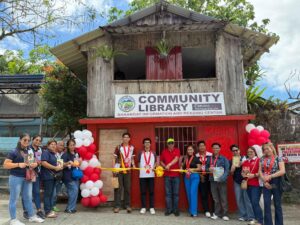
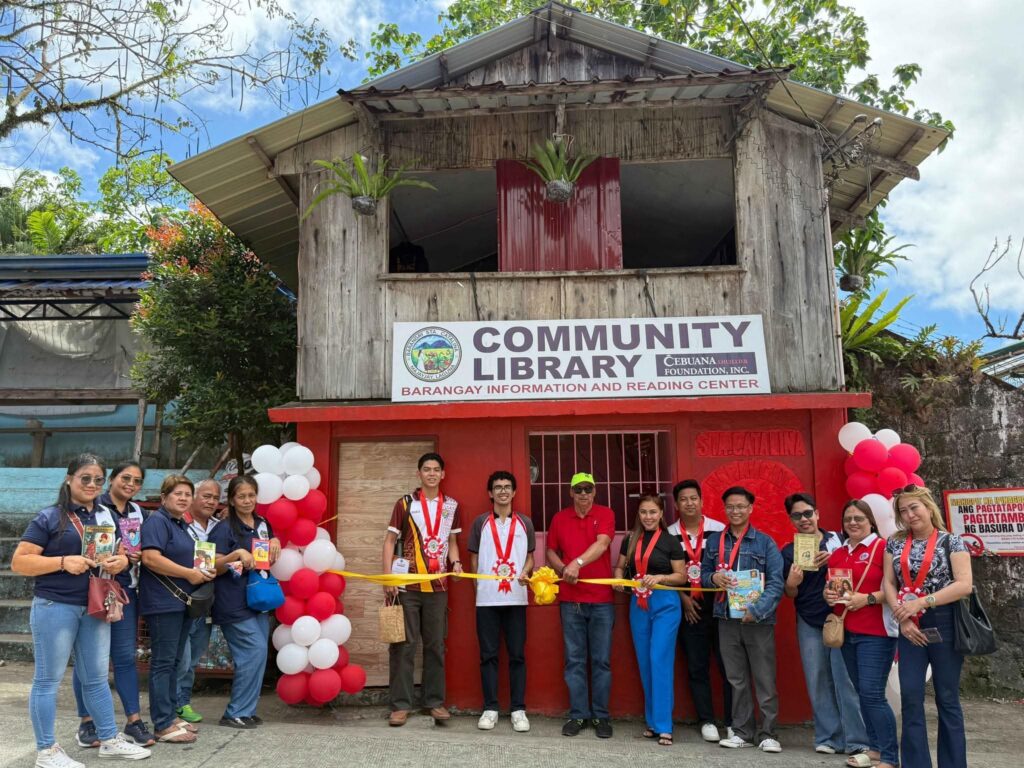
Implemented by the Cebuana Lhuillier Foundation, Inc. (CLFI), Cebuana Aralan has launched three community and school libraries, donated more than 2,500 books, and distributed 764 school supply packs. It has also introduced the C Learning eLibrary App and digital library tablets with ebooks, giving students additional ways to access learning materials.
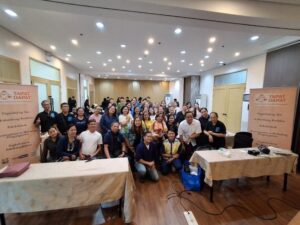
CLFI’s experience with the project has also reinforced the importance of collaboration. Cebuana Aralan works with local governments, NGOs, community leaders, educators, volunteers, scholars, and other partners to identify areas that can benefit from the program and better understand students’ needs. The project also brings together CLFI’s Inclusive Education and Financial Inclusion programs, complementing literacy efforts with financial education and practical knowledge.
“Education initiatives are most meaningful when they respond to the realities of the communities they serve. By working with local partners and listening to what learners need, we can bring resources closer to them and create opportunities that can make a practical difference in their everyday learning,” said Jo-Ann Tacorda, First Vice President and Chief Administrative Officer of Cebuana Lhuillier and Executive Director of CLFI.
As CLFI looks to expand Cebuana Aralan to more remote barangays nationwide, its goal remains to ensure that a child’s location does not determine their opportunities to learn. By bringing educational resources closer to underserved communities, the program helps children strengthen their skills, build confidence, and see greater possibilities for their future.