Girls’ voices take center stage as Quezon City, Plan International Pilipinas push for safer schools and communities
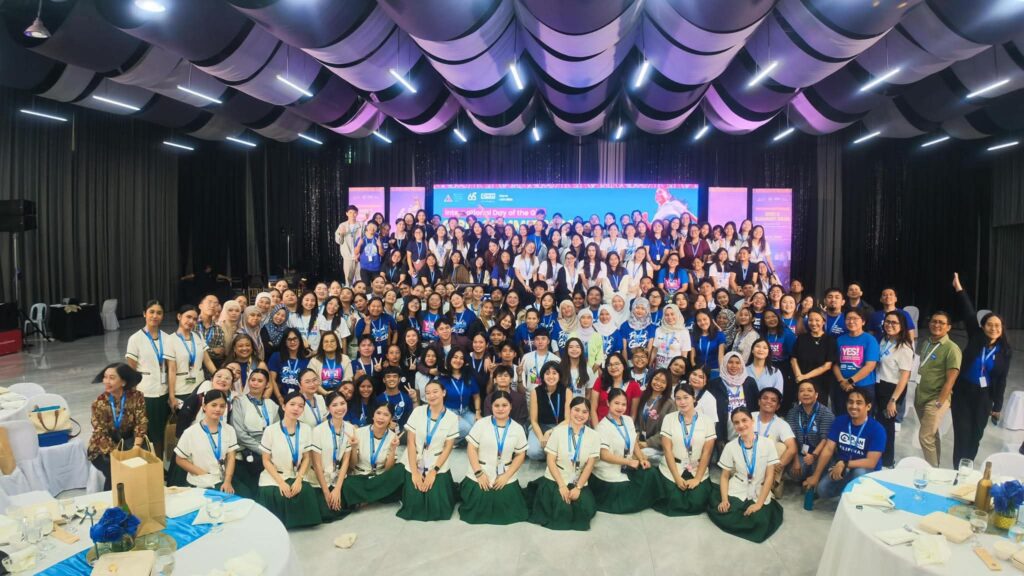
As the world marks the International Day of the Girl, girls from across the Philippines stood before local government leaders and development partners with a clear message: Girls deserve to be safe, heard, and given equal opportunities to learn, lead, and thrive.
At Girls Summit 2026, organized by Plan International Pilipinas and the Quezon City Government, young people took center stage in shaping conversations and solutions on issues affecting their lives, from school safety and online abuse to mental health and climate-related challenges.
The summit, themed “Stand with Girls: Building the Future Girls Want” highlighted the urgent need for stronger action to protect girls from violence and abuse, support their education and wellbeing, and create safer, more inclusive communities.
Another key feature of the event was the discussion of the Girls’ Agenda – a set of recommendations developed by girls and young people themselves. The agenda calls for stronger action on four priorities: keeping girls safe, ensuring access to health and support services, helping communities become more resilient to climate-related risks, and expanding opportunities for education and economic empowerment.
“Girls are not merely beneficiaries of development. They are leaders, innovators, advocates, and changemakers,” said Cathy Seco, Program Director at Plan International Pilipinas, in her keynote message. “They already know what kind of future they want and deserve. Our role is to listen, support, and act alongside them.”
The summit featured five thematic panel discussions exploring how these priorities intersect with girls’ daily lives: addressing mental health challenges in schools, replicating local government practices to combat Online Sexual Abuse and Exploitation of Children (OSAEC) and Child Sexual Abuse and Exploitation Materials (CSAEM), examining climate impacts on sexual and reproductive health and rights, addressing child, early, and forced marriages, and creating safe, inclusive school infrastructure for learner welfare.
For many Filipino girls, the risks discussed in these panels are already measurable. A 2020 Plan International study found that seven in 10 girls and young women in the Philippines had experienced online harassment, and the US National Center for Missing & Exploited Children (NCMEC) received more than 1.7 million CyberTipline reports from the Philippines in 2024. The figure counts reports of suspected exploitation material, not individual children, but it points to the scale of what local systems are expected to address.
In Plan International’s global study Change Her Forecast, which surveyed more than 5,000 girls and young women across five countries, 76% said girls and young women in their communities were struggling to access at least one sexual or reproductive health service following climate-related events. Thirty-six percent reported seeing more girls marry or enter a union before age 18, and 33% reported more unintended pregnancies. This is why uninterrupted education matters most in times of crisis, including climate crises. Schools provide learning, support networks, and information on rights, health, and available services, which makes safe, clean, healthy, and enabling school infrastructure part of the protection girls need.
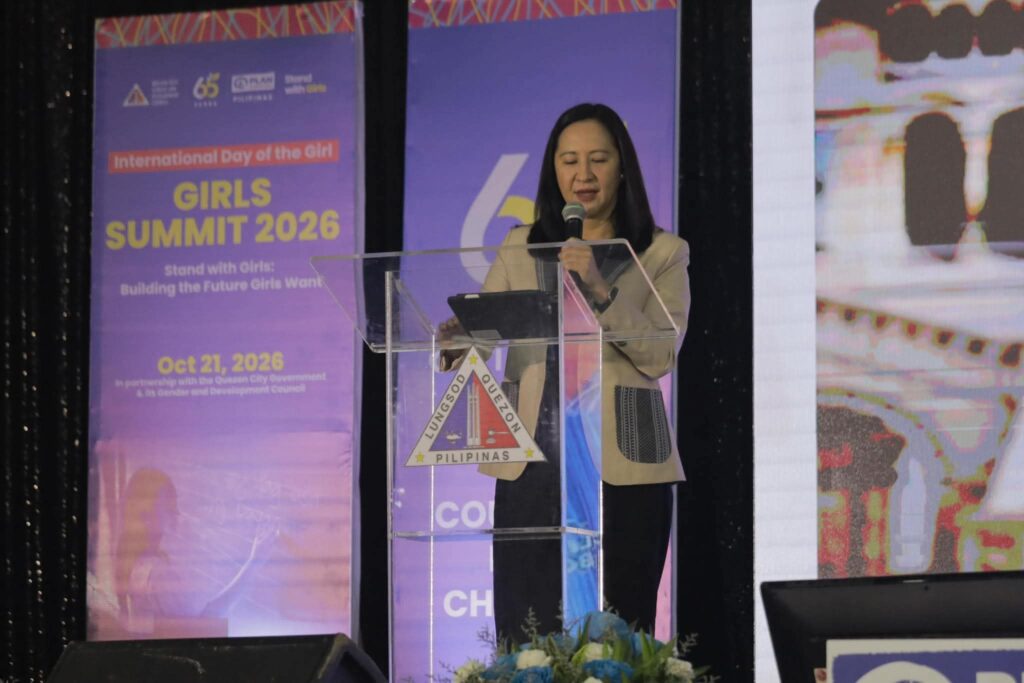
“A city is only as strong as the safety it gives its girls at home, in school, and online. Quezon City has taken steps to protect children from abuse and exploitation, and we are ready to share what works so other local governments can do the same,” said Quezon City Mayor Joy Belmonte during her welcome remarks.
The afternoon sessions gave the spotlight to young people, with girl leaders presenting their experiences and recommendations to national and local government officials and stakeholders. Through interactive workshops, participants developed innovative community-based solutions and concrete actions that can help make schools, neighborhoods, and online spaces safe for girls.
“Girls should feel safe at school, at home, and online. I want our leaders to make safety a real commitment, with systems that work, so that girls know where to go and who will help. When girls are safe, we can reach our full potential, but only if we have the same opportunities as everyone else to learn, lead, and earn a decent living,” said Bea Marie A. Vicente, 22, an elected Sangguniang Kabataan (SK) member of Barangay Tanza 1 in Navotas City and a youth advocate of Plan International Pilipinas, who spoke at the summit.
Business partners also pointed to pathways from school to work. Senior Manager for Sustainability & Corporate PR at Watsons Philippines Alisandrea A. Coloma said, “Watsons Philippines has been supporting young girls through the Pharmacy Assistant’s Apprenticeship Program since 2023. We believe that every girl can do great things when given the opportunity, and through the apprenticeship, we are able to pave a way for girls to receive free education with our partner schools like Punlaan, with a direct path to employment in our stores. So many of our alumni now thrive in their careers with Watsons. This is the path we want to open to many more young girls.”
The summit concluded with a collective call for stronger action from government agencies, civil society organizations, schools, business, communities, and families to turn girls’ aspirations into meaningful policy and action.
As Plan International Pilipinas celebrates its 65 years of service in the country, the organization continues to call on all sectors to #StandWithGirls and help turn girls’ aspirations into meaningful action, lasting change, and equal opportunities.